

When a sales opportunity goes to a competitor or stalls, the first question is usually: Why did we lose? The harder question is whether your team has the full story. Win / Loss Analysis helps B2B organizations understand how buyers made their decision, how competitors were evaluated, and how their sales approach, messaging, pricing, and differentiation were perceived.
Anova Consulting Group conducts independent post-decision interviews with buyers, decision-makers, and other stakeholders to uncover the real reasons opportunities are won, lost, or delayed. These insights help organizations improve sales performance, strengthen competitive positioning, and increase future win rates.
Prospects share the complete truth with salespeople about why they lose a deal only 40 percent of the time. Therefore, in 60 percent of new business situations, salespeople do not have a complete and accurate understanding of why they lost.
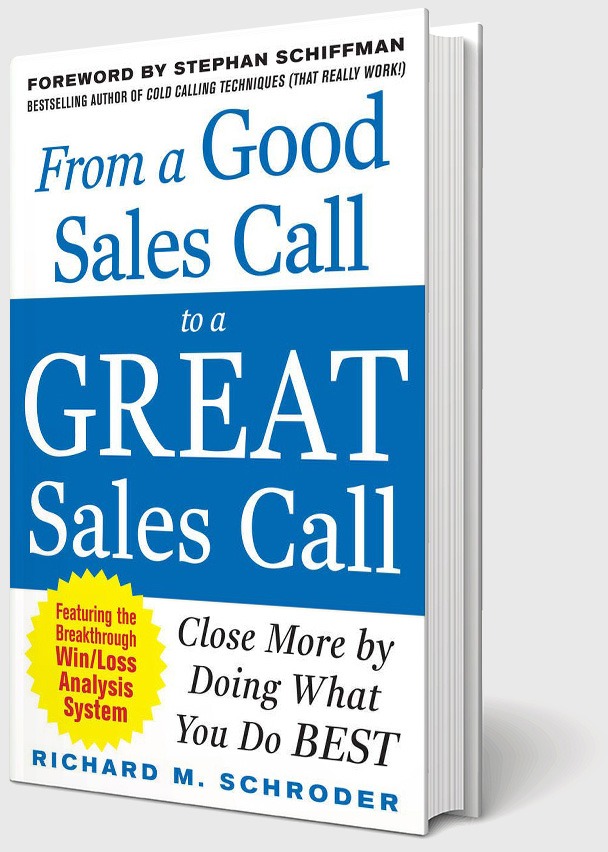
Win / Loss Analysis is a B2B market research program that gathers direct feedback from buyers after a sales opportunity concludes. The purpose is to understand the buyer’s decision process, the reasons a company won or lost, and what changes can improve future sales performance.
A typical Win / Loss program explores:
Unlike informal debriefs or CRM loss codes, Win / Loss Analysis provides a structured outside-in view of the buying experience.
Most companies have internal opinions about why they win and lose. The problem is that internal assumptions are often incomplete. Buyers may avoid conflict, simplify their reasoning, or withhold candid feedback when speaking directly to sales teams.
A formal Win / Loss Analysis program helps organizations move from assumptions to evidence. Companies use it to:
One of the biggest challenges in Win / Loss Analysis is candor. Buyers are often more comfortable sharing honest feedback with an independent interviewer than with the salesperson involved in the opportunity. That is especially true when the feedback is sensitive, critical, or tied to relationship dynamics.
A third-party research partner helps reduce common barriers such as:
Independent interviewing also improves research quality. Experienced interviewers know how to ask neutral questions, probe beneath surface-level responses, and identify patterns that internal teams may miss.
A strong Win / Loss program does more than explain a single deal outcome. It identifies patterns across your sales organization and market.
Understand how buyers perceived your team’s preparation, credibility, responsiveness, consultative approach, and overall effectiveness.
Learn whether your team fully understood the prospect’s goals, priorities, and evaluation criteria.
See whether buyers clearly understood what set your company apart or whether the deal became overly focused on price.
Identify which competitors were considered, how they were perceived, and what they did that helped them win.
Understand who influenced the decision, what criteria mattered most, and whether your team reached the true decision-makers.
Capture direct market input on offering gaps, pricing concerns, onboarding expectations, and service model strengths or weaknesses.
While every organization and market is different, certain patterns appear repeatedly across B2B sales environments.
Buyers may perceive a sales approach as overly aggressive, overly scripted, or lacking empathy and credibility.
Teams sometimes fail to fully understand the buyer’s needs, priorities, and success criteria before presenting a solution.
Even when discovery is adequate, the presentation may feel generic rather than tailored to the buyer’s situation.
If buyers do not clearly understand what makes your company different, the decision may default to incumbent preference or lowest price.
A deal can be well-run and still be lost if the team is not engaging the true economic buyer or key influencers.
The purpose of Win / Loss Analysis is not just to explain past outcomes. It is to improve future ones.
Organizations use Win / Loss findings to:
Win / Loss Analysis is most valuable when it is shared across functions, not isolated within sales.
Stakeholders who commonly use the findings include:
The most effective programs combine organizational support with operational discipline.
Leadership support helps ensure the program is taken seriously and findings are acted upon. A culture of growth committed to continual improvement is critical for Win / Loss programs to be successful. Findings can be uncomfortable, and the firms that learn the most from Win / Loss programs are the ones that lean into the findings to grow.
The research is most valuable when teams are willing to hear both strengths and weaknesses without filtering the results.
A successful program depends on reliable contact information for buyer-side decision-makers and influencers.
Structured interviews, strong analysis, and regular reporting create the foundation for actionable insights over time.
The organizations that benefit most treat Win / Loss Analysis as an ongoing performance improvement discipline, not a one-time exercise.
Anova Consulting Group conducts in-depth Win / Loss interviews and analysis for sophisticated B2B organizations with complex sales cycles.
Our programs are designed to help clients understand:
Anova’s approach combines:
Anova also supports global Win / Loss interviewing capabilities, including interviews conducted across regions and in local languages.
Use these on-page as visible FAQs and in structured data.
What is Win / Loss Analysis?
Win / Loss Analysis is a research program that interviews buyers after a sales opportunity concludes to understand why a company won or lost the business. It helps organizations improve sales strategy, messaging, differentiation, and execution based on direct buyer feedback.
Why should a company implement a Win / Loss program?
Companies implement Win / Loss programs to gain a more accurate understanding of buyer decision-making, competitive dynamics, and sales effectiveness. The findings help improve win rates, sales coaching, product positioning, and go-to-market performance.
Why use a third party for Win / Loss interviews?
Buyers are generally more candid with an independent interviewer than with the salesperson involved in the opportunity. A third party also improves objectivity, consistency, probing depth, and the quality of analysis.
Who should be interviewed in a Win / Loss study?
The best interview subjects are the people directly involved in the buying decision, including decision-makers, evaluators, influencers, and committee members where relevant. The right mix depends on the complexity of the sale and the structure of the buying group.
Should companies study wins as well as losses?
Yes. Studying wins helps identify the behaviors, messages, and strengths that resonate with buyers. Comparing wins and losses often reveals the clearest opportunities to improve sales execution and repeat success.
How long does a Win / Loss program take?
Many organizations run Win / Loss Analysis as an ongoing program, but pilot studies can also be structured over a quarter, six months, or another defined timeframe. The right cadence depends on deal volume, sales cycle length, and the organization’s objectives.
What business functions benefit from Win / Loss Analysis?
The findings are valuable to sales, sales enablement, product marketing, product management, pricing, competitive intelligence, customer success, and executive leadership. Any team that influences the buying experience can benefit from direct buyer feedback.
Does Anova support international Win / Loss interviewing?
Yes. Anova supports global Win / Loss and customer feedback programs, including interviews conducted across regions and in local languages.
The companies that improve sales performance most consistently are the ones that understand why buyers choose them, why buyers reject them, and what needs to change. Win / Loss Analysis gives organizations that visibility.
By combining independent buyer interviews, structured analysis, and actionable recommendations, Anova helps clients turn deal feedback into stronger sales execution, sharper differentiation, and better business outcomes.

© 2026 Anova Consulting Group, LLC. All rights reserved